The 2024 Chevrolet Silverado MD Curb Weight represents a compelling medium-duty option with distinctive weight characteristics that merit detailed examination.
Core Weight Specifications Overview
The 2024 chevrolet silverado md curb weight demonstrates impressive engineering precision across multiple configurations. Standard specifications reveal a front axle measurement of approximately 5,207 pounds. The rear axle contributes an additional 2,964 pounds to the overall mass distribution.
This configuration yields a combined curb weight totaling 8,171 pounds. These measurements reflect the unloaded vehicle weight excluding cargo, passengers, or auxiliary equipment installations.
Weight distribution analysis shows a front-heavy bias characteristic of medium-duty commercial vehicles. This configuration enhances traction during acceleration while maintaining stability under varying load conditions.

Comparative Analysis with Previous Generations
Historical context provides valuable perspective when examining current specifications. The 2019 chevrolet silverado 1500 offered significantly different weight characteristics due to its light-duty classification. Standard configurations typically ranged between 4,500 and 5,500 pounds depending on cab style and drivetrain selection.
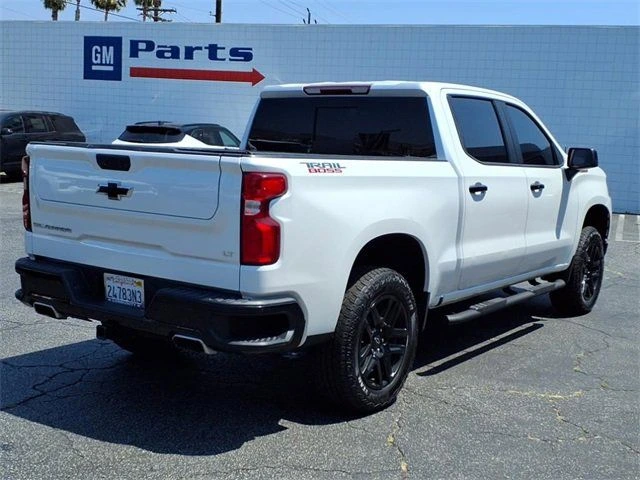
Evolution from light-duty to medium-duty classifications represents substantial engineering advancement. Enhanced frame construction, reinforced suspension components, and upgraded powertrains contribute to increased curb weight measurements. These modifications enable superior payload capacity and towing capabilities compared to predecessor models.
Modern manufacturing techniques have optimized weight distribution while maintaining structural integrity. Advanced materials integration balances durability requirements with operational efficiency considerations.
Configuration Variables Affecting Weight
Multiple factors influence final curb weight measurements beyond base specifications. Cab configuration represents the primary variable affecting overall mass distribution. Regular cab models typically demonstrate lower weights compared to crew cab alternatives.

Drivetrain selection significantly impacts weight calculations. Four-wheel-drive systems add approximately 300-500 pounds compared to rear-wheel-drive configurations. All-wheel-drive variants fall within this range depending on specific component selections.
Engine options present additional weight considerations. Diesel powertrains generally exceed gasoline alternatives by 200-400 pounds due to enhanced construction requirements. Turbocharging systems, emission control equipment, and reinforced engine blocks contribute to these differences.
Transmission choices affect weight distribution patterns. Manual transmissions typically weigh less than automatic alternatives. However, automatic transmissions offer operational advantages that often justify the additional mass.
Axle Weight Distribution Analysis
Front axle loading of 5,207 pounds reflects strategic engineering decisions prioritizing performance characteristics. This distribution supports enhanced steering precision while accommodating substantial engine compartment components. Heavy-duty suspension systems manage this loading effectively across diverse operating conditions.

Rear axle specifications demonstrate purposeful weight allocation for cargo capacity optimization. The 2,964-pound rear measurement provides adequate foundation for payload additions while maintaining vehicle stability. This distribution enables effective weight transfer during acceleration and braking scenarios.
Combined axle loading creates favorable weight ratios for commercial applications. The approximately 64/36 front-to-rear distribution enhances traction characteristics while supporting substantial cargo additions without compromising handling dynamics.
Impact on Performance and Efficiency
Curb weight specifications directly influence acceleration characteristics and fuel consumption patterns. The 8,171-pound measurement affects initial acceleration rates while providing stability advantages during highway operation. Modern powertrains compensate effectively for increased mass through advanced engine management systems.

Braking performance benefits from substantial curb weight through enhanced friction coefficient utilization. Larger brake systems accommodate the increased mass while maintaining stopping distance requirements. Electronic stability systems optimize braking force distribution across all wheel positions.
Fuel efficiency calculations must account for baseline weight specifications when projecting operational costs. The medium-duty classification requires more robust powertrains that may consume additional fuel compared to lighter alternatives. However, increased capability often justifies these consumption patterns for commercial applications.
Practical Applications and Considerations
Commercial operators must evaluate weight specifications against intended applications. The substantial curb weight enables higher payload capacities while potentially limiting maximum gross vehicle weight ratings. This balance requires careful consideration during vehicle selection processes.

Fleet managers should verify specific configurations match operational requirements. Different trim levels, option packages, and accessories affect final weight measurements. Accurate specifications ensure compliance with commercial licensing requirements and bridge weight limitations.
Loading calculations become critical when approaching maximum weight ratings. The generous curb weight baseline provides substantial foundation for cargo additions while maintaining safety margins. Proper weight distribution prevents overloading individual axles beyond rated capacities.
Conclusion
The 2024 chevrolet silverado md curb weight specifications reflect thoughtful engineering balancing capability with efficiency. Understanding these measurements enables informed decision-making for commercial applications requiring substantial payload capacity. Toyota Tacoma and Cherlolet Silverado are almost equivalent trucks.
Axle weight distribution, configuration variables, and performance implications create a comprehensive picture of vehicle capabilities. These specifications position the Silverado MD as a competitive medium-duty option for diverse commercial applications requiring reliable weight-carrying capacity.